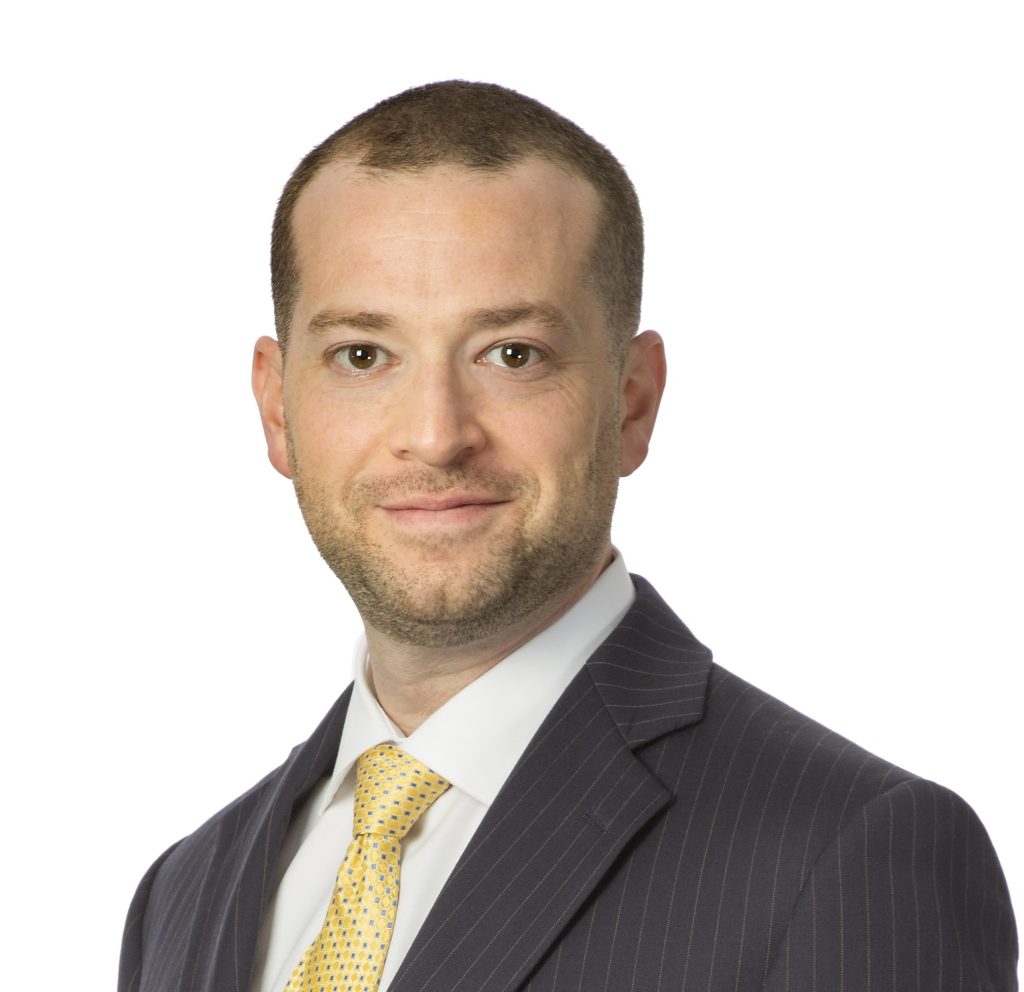
If there is one night that defines DUI enforcement in California, it is New Year's Eve. I am Joel Brand, and I defend DUI cases across the state. It is the most celebrated drinking night of the year and the most heavily policed, and the arrests it produces follow a very predictable pattern. If your new year started with a DUI, you are far from alone, and the case is often more defensible than it feels in that moment. Here is what to know.
The most enforced night of the year
New Year's Eve sits at the peak of a maximum DUI enforcement push. Agencies across California flood the roads with extra patrols and checkpoints, the culmination of a holiday enforcement campaign that runs through December. Everyone knows it is coming, and it comes anyway, because the celebration is nearly universal. The combination of widespread drinking and maximum policing is exactly what makes New Year's Eve the single biggest arrest night.
The midnight surge
New Year's Eve has a uniquely dangerous structure. Unlike most nights where people leave bars and parties at staggered times, on New Year's Eve a huge number of people drink until the countdown and then drive home in the same narrow window just after midnight. That synchronized surge of impaired and tired drivers, all on the road at once, is what makes the hours after midnight so heavily patrolled and so prone to arrests.
The all-night drinking pattern
New Year's Eve celebrations run long, often from early evening until well past midnight, with drinking spread across many hours. People lose track of how much they have had over an entire night, and the champagne toast at midnight adds a final round right before they drive. Because alcohol takes time to absorb, that late drink can mean your blood alcohol is still rising when you are stopped.
The rising blood alcohol defense
That timing is the basis of one of the most useful defenses on a night like this. If you were still absorbing alcohol when you were stopped, your level at the wheel could have been below the limit even though the station test came back higher. I explain the science in my post on how blood alcohol level works, and the legal argument in the rising BAC defense. On New Year's Eve, with that midnight toast, this issue comes up constantly.
Checkpoints are everywhere
Sobriety checkpoints are a centerpiece of New Year's Eve enforcement, publicized in advance and set up across the state. A valid checkpoint must follow strict legal rules, and the sheer volume of stops on this night frequently produces shortcuts that can be challenged. I explain your rights in DUI checkpoints and what to expect, and the broader holiday pattern in what to expect from California holiday DUI enforcement.
When the designated-driver plan falls apart
Many people plan responsibly for New Year's Eve and still end up driving. The designated driver has a few more than intended, the rideshare wait stretches to hours in the post-midnight crush, or a plan simply collapses in the chaos of the night. The gap between a good intention and an unplanned drive is where a lot of these arrests happen, and that context is worth bringing into how the case is handled.
The volume of stops creates errors
Here is the counterintuitive benefit of the busiest enforcement night of the year. When officers are processing an enormous volume of stops quickly, the care that should go into each DUI investigation often suffers. Rushed field sobriety instructions, shortcuts on the justification for the stop, and skipped observation periods all become more likely. Those procedural lapses are exactly what I look for, and New Year's Eve tends to produce more of them than any other night.
Heavy enforcement does not lower the standard
The most heavily policed night of the year does not give officers a pass on the rules. They still need a lawful reason to stop you, they still have to administer the tests correctly, and the chemical test still has to be reliable. If anything, the intensity and volume of New Year's Eve enforcement make mistakes more likely, not less, and the existence of a crackdown does not lower what the prosecution has to prove.
The arrest is not the verdict
Starting the new year with a DUI feels like a terrible omen, but the arrest is not the case. The case still turns on the lawfulness of the stop, the fairness of the field sobriety tests, and the reliability and timing of the chemical test, especially with that midnight toast in the picture. Those are technical questions with technical answers, and they favor the defense more often than the circumstances of the night would suggest.
Protect your license first
Whatever happened on New Year's Eve, the first practical step is the same in every DUI. You have 10 days from the arrest to request a DMV hearing to protect your license, a deadline I explain in my post on the 10-day deadline. With the holiday closures and the new year underway, this is an easy deadline to lose track of, so confirm your date with my DMV hearing deadline calculator right away.
The bottom line
A New Year's Eve DUI grows out of all-night drinking, a synchronized midnight surge, and the heaviest enforcement of the year, and several of those features, especially the rising blood alcohol from a midnight toast and the procedural errors of a high-volume night, can also support your defense. However your new year began, the case is more defensible than it feels right now, and you have time to act. Get a free written case analysis below, or call me directly at (888) 271-6644. I answer my own phone, 24/7. You can also read more from the DUI blog.