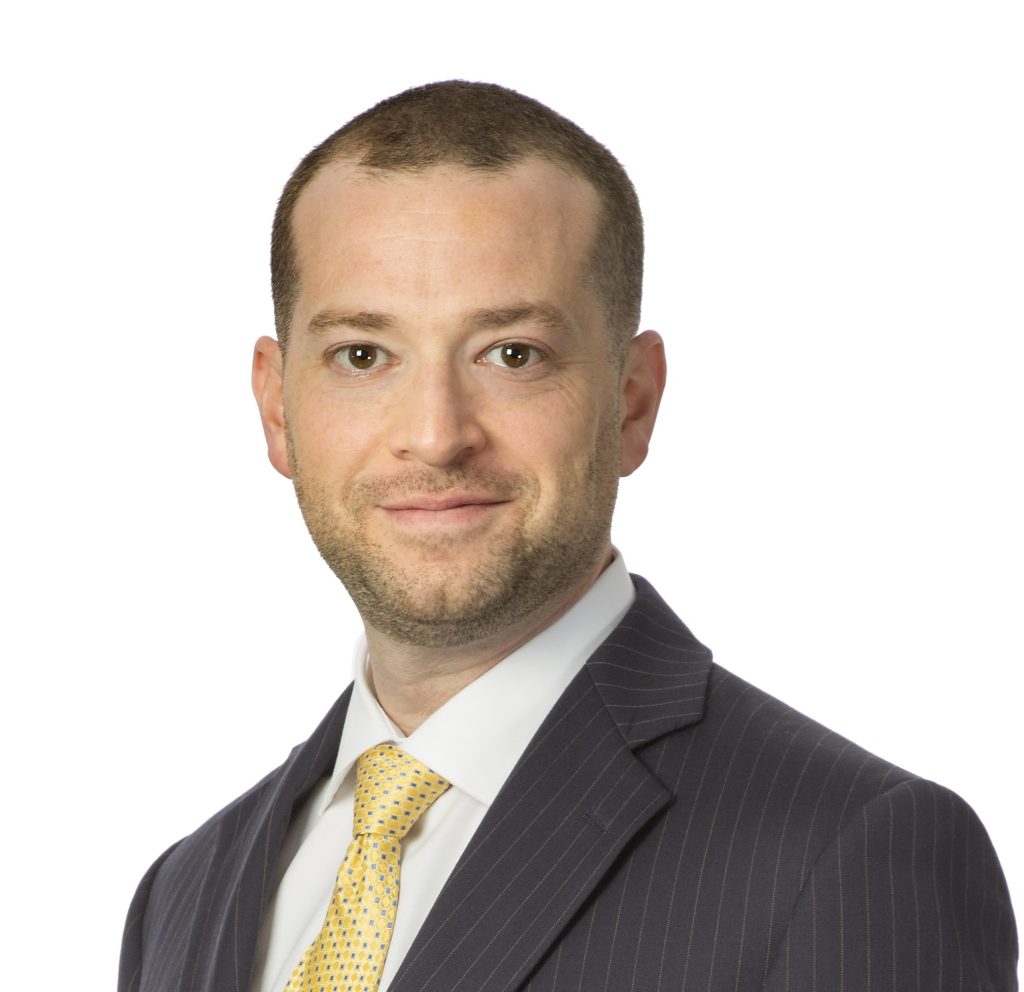
I am Joel Brand, and I defend DUI cases throughout California. One question I hear from almost every client after they are charged is simple: does the officer who pulled me over actually have to show up and testify? The answer is more nuanced than most people expect, and understanding it can shape your entire defense strategy.
Why the Arresting Officer's Testimony Usually Matters
In a typical California DUI trial, the prosecution builds its case in layers. The officer provides the foundation: what prompted the stop, what the officer observed, how the walk-and-turn test or other field sobriety tests were administered, and what the driver said. Without that live testimony, the jury hears almost nothing about the human side of the arrest. Lab results and police reports do not speak for themselves. A chemist can testify about your blood alcohol level, but only the officer can explain why you were pulled over in the first place, and that foundational story matters under both charges the prosecutor typically files under VC 23152(a) and VC 23152(b).
Is the Officer Actually Required to Appear?
Yes, if the prosecution calls the officer as a witness, that officer is subpoenaed and must appear. Law enforcement officers are subpoenaed by prosecutors just like any other witness. If the officer ignores a valid subpoena without a legal excuse, the court can hold them in contempt. In practice, officers almost always do appear because testifying in criminal cases is part of their job. The more realistic question is not whether the officer is required to show up, but what happens on the rare occasions when they cannot or do not.
What Happens if the Officer Does Not Show Up?
When a subpoenaed officer fails to appear, the prosecutor faces a choice: request a continuance, or proceed without that witness. A continuance is common if the officer has a legitimate reason such as injury, illness, or a scheduling conflict outside their control. The judge typically grants one brief continuance for good cause. However, if the officer repeatedly fails to appear and the prosecution cannot justify the delay, the defense can invoke your right to a speedy trial. California Penal Code section 1382 sets limits on how long the prosecution can delay proceedings, and my article on using PC 1382 strategically explains how that tool works in practice.
Can a Missing Officer Get Your Case Dismissed?
Possibly, but not automatically. A dismissal requires more than the officer simply missing one court date. The defense must show that the delay prejudiced the defendant or that the prosecution cannot proceed without the witness. If the prosecution decides it cannot prove its case without the officer and does not seek a continuance, it may dismiss the charges voluntarily. That outcome is rare but real. It is one reason I always file a demand for discovery immediately, as outlined in my discussion of the DMV discovery packet and the broader criminal discovery process.
Can the Prosecution Use the Police Report Instead of Live Testimony?
No, not as a substitute for the officer's in-court testimony. A police report is hearsay. The Sixth Amendment guarantees you the right to confront the witnesses against you, which means you have the right to cross-examine the officer in front of the jury. The prosecution cannot simply hand the report to the jury and rest its case. This confrontation right is one of the most important tools a defense attorney has, and it is exactly why live officer testimony is so significant. Challenging how the stop was conducted, how the one-legged-stand test was scored, or whether the 15-minute observation period before the breath test was followed, all requires the officer to be on the stand answering questions.
What Your Defense Attorney Does With Officer Testimony
Cross-examination of the arresting officer is often the centerpiece of a DUI defense. A skilled attorney will probe whether the officer followed the standardized protocol for each field sobriety test, whether the officer made procedural mistakes at the scene, and whether the officer's observations are consistent with the physical evidence. Officers are human. They sometimes misremember, contradict their own reports, or admit on cross-examination that certain conditions, such as uneven pavement, poor lighting, or a medical issue, could explain what they observed.
Does the Officer Also Testify at the DMV Hearing?
The DMV hearing is a separate administrative proceeding, and it operates differently from the criminal trial. Officers are not automatically required to appear at your DMV hearing. The DMV routinely relies on the sworn DS-367 form submitted by the officer rather than live testimony. However, your attorney can subpoena the officer to appear. Getting the officer on the record at the DMV hearing can reveal inconsistencies that later help the criminal case, and there are tactical reasons to have your attorney handle that hearing without you present.
What If the Officer Has a History of Misconduct?
If the arresting officer has a documented history of dishonesty or excessive force, that history may be discoverable and usable at trial. A Pitchess motion allows the defense to request the officer's personnel file for prior complaints. My article on the Pitchess motion in a DUI case walks through how that process works and when it is worth pursuing. Officers who appear on what is sometimes called a Brady list for credibility issues may face serious challenges to their testimony.
What You Should Do Right Now
The officer's testimony is only one piece of your case, but it is a critical one. Every day that passes after your arrest, memories fade, body camera footage can be lost, and deadlines approach. The 10-day window to request a DMV hearing is one of the most unforgiving deadlines in California DUI law, and missing it almost guarantees an automatic suspension. Preserving every piece of evidence, from the officer's body camera video to the breath test calibration records, starts the moment you retain an attorney.
This Is General Information, Not a Guarantee
Nothing in this post is a promise of any particular outcome. Every case is different. The strength of the officer's testimony, the quality of the physical evidence, and the specific facts of your stop all shape what defenses are available. What I can tell you is that understanding how officer testimony works gives you a realistic picture of what your case involves and what questions to ask your attorney from day one.
You can get a free written analysis of your case right here on this page. Call me directly at (888) 271-6644. I answer my own phone, 24/7. For more on California DUI law, visit more from the DUI blog.
Primary sources
California statutes cited in this article, linked to the official text published by the California Legislature.